

FailStack #1: It's me! I'm the failure!
Because I'd never ask anyone to do something this uncomfortable without doing it myself first

The following post is part of a Seed Pod collaboration about failure. Seed Pods are a SmallStack community project designed to help smaller publications lift each other up by publishing and cross-promoting around a common theme. We’re helping each other plant the seeds for growth!
Failure is a universal human experience. So why is it so damn hard to talk about? Why do we feel such immense pressure to hide our struggles and pretend we’re succeeding all the time?
FailStack — the interview series about failure — aims to change that. Instead of demonizing failure, diminishing it, fearing it, or sweeping it under the rug, I want to have real, honest conversations about our relationship to failure and how failure shapes our lives.
This is the very first FailStack interview, and in the spirit of leading by example, I’m kicking things off by interviewing myself. *gulp!*
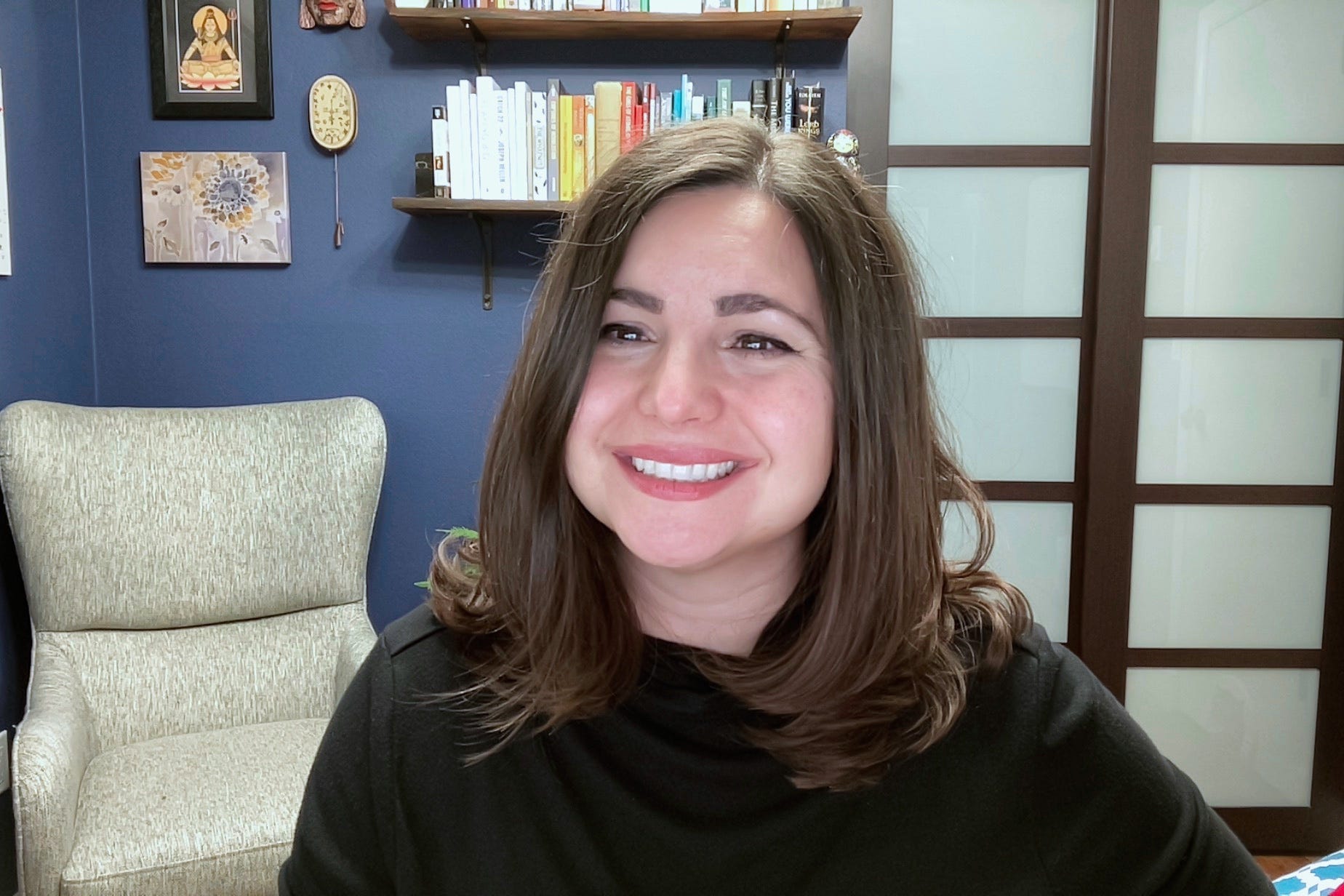
Hi, I’m Robin! I’m a creative writer, marketing consultant for introverts, and the author of this Substack. I started FailStack because I’m tired of treating failure like something shameful that we have to hide. I also write MeowStack and Marketing for Introverts. I live in the Pacific Northwest with my partner, about 50 houseplants, and two magical cats.
—
How would you describe your relationship to failure? Has it changed over time?
I’d say it’s fraught but improving. I grew up with perfectionist ideals, where failure was something you avoided at all costs.
I have a clear memory of visiting home from college and talking to my teenage sister about her high school classes. She mentioned wanting to take a class that sounded interesting but hard, and she was afraid she wouldn’t get an A. I started to encourage her to try it anyway. My dad gave me this look and immediately shut the conversation down. The message was crystal clear: if you aren’t certain you’ll get an A, don’t take the class.
In my 20s, I was introduced to the idea that failure could not only be a valuable learning experience but a positive and even necessary step towards figuring out what works. 🤯 This realization was life-changing, and it helped me get better at taking risks that ultimately led me to a much happier place.
I still struggle with those old fears and beliefs, but most of the time, fear of failure is no longer a compelling reason for me not to do something.
The message was crystal clear: if you aren’t certain you’ll get an A, don’t take the class.
What is something you’re failing at right now?
Appeasing the patriarchy! Okay, that’s not actually a failure.
My 2025 word of the year is “self-compassion,” and I know it was a good choice because I fail at it multiple times per day. This practice is teaching me, yet again, that failure isn’t something we have to avoid. It’s an essential, inevitable part of growing into ourselves.
[Getting a B] seemed like a huge failure at the time, but I see it differently now. Now I see a young girl pushing back against unrealistic expectations and making choices that she wanted, not what her parents or teachers wanted for her. I’m so fucking proud of that girl.
Tell us about a failure — yours or someone else’s — that made a huge impression on you. What was so impactful about this failure?
When I was a junior in high school, I got a B in pre-calc. It felt like my world was ending. It was even worse because I knew that if I’d studied harder, I could have gotten an A. So why didn’t I study harder? Frankly, I hated math. I didn’t want to spend my evenings studying advanced math. I wanted to spend my evenings doing theater, reading fantasy books, and being a 16-year-old girl.
It seemed like a huge failure at the time, but I see it differently now. Now I see a young girl pushing back against unrealistic expectations and making choices that she wanted, not what her parents or teachers wanted for her. I’m so fucking proud of that girl. She spent her life surrounded by others’ voices telling her how to be, how to look, what to want, what choices to make, and she listened to her own voice instead — even though it had real consequences (at least, they felt like real consequences at the time. That B didn’t make a damn bit of difference in the long run).
Failure isn’t something we have to avoid. It’s an essential, inevitable part of growing into ourselves.
What, in your opinion, is the most significant failure of your life so far? What did you learn from this failure? How did it shape you into the person you are today?
Oof, I’m gonna get real vulnerable here. When I was 20 years old, I had a major falling out with a roommate. Personalities clashed. Heavy, heavy stuff was involved. Instead of recognizing that my roommate needed help, I and my other roommates got fed up and kicked her out.
As soon as it was done, I knew I had wronged this person, but I wasn’t brave enough to apologize. I’ve always regretted it. Before, I thought the world was divided into good people and shitty people. I considered myself a nice, kind, good person, yet I had done this selfish, callous thing. I had caused real harm to someone I knew was struggling. It blew my mind that I was capable of that. It shattered the black-and-white view of people I’d had before. I see a lot more gray areas now. I’m less judgmental, more accepting of messiness, and slower to condemn others’ mistakes.
Roomie, if you’re out there, I’m so, so sorry. You needed compassion and support, and I offered selfishness and anger instead. I fucked up. It wasn’t fair. You definitely did not deserve that.
I considered myself a nice, kind, good person, yet I had done this selfish, callous thing. I had caused real harm to someone I knew was struggling. It blew my mind that I was capable of that.
How does your perception of this failure change if you view it from a lens of self-compassion?
I was 20 years old, confused, overwhelmed, insecure, and struggling with undiagnosed anxiety. I lacked the emotional maturity to face the situation in a compassionate way, so I lashed out selfishly instead. I’m not proud of how I behaved. I can also understand it. Imagining myself as that scared, overwhelmed 20-year-old helps me hold the memory of failure a little more tenderly. It helps me remember that just as this experience taught me to extend more compassion to others, I can extend some of that compassion to myself, too.
Imagining myself as that scared, overwhelmed 20-year-old helps me hold the memory of failure a little more tenderly.
Have you ever feared failure so much that it stopped you from trying something? What was it, and how do you feel about it now?
I cannot count the number of times I had something valid to say and didn’t say it because I was afraid of looking foolish or of others thinking my ideas were bad. I used to be very hard on myself about this. Now I see that my behavior wasn’t a personal failing — it was an understandable response to a culture that devalues women’s opinions and punishes them in ways large and small for daring to take up space.
So when I catch myself doing this now, I try to pause and make a decision for myself about whether I want to speak up. More often than not, I choose to take up the fucking space.
Most of the time, fear of failure is no longer a compelling reason for me not to do something.
Who are your failure role models — people who’ve inspired you through their failures?
I’ve found many wonderful role models right here on Substack! I’m greatly inspired by Nan Tepper, who writes with tremendous courage and vulnerability on deeply personal topics. I love Keris Fox’s candid discussions about money and how hard it is to earn a living in a creative profession.
In a previous life, I led coaching groups for startup founders and heard some incredible stories of failure and resilience. One person lost his company, his savings, and saw his home destroyed by flooding all in the same week. He now leads another company that’s profitable and growing. Another person fled a war-torn country as a child refugee; he’s now CEO of a multi-million dollar company. Another founded multiple companies, none of which took off, before landing on a promising new idea that she’s now pursuing, all while dealing with ongoing health uncertainty and navigating a heavily white male space as a woman of color.
What is the most surprising gift that failure has given you?
Experiencing failure has taught me that I can survive it. More than that. I can come out the other side kinder, stronger, and more resilient than before.
Experiencing failure has taught me that I can survive it. More than that. I can come out the other side kinder, stronger, and more resilient than before.
Get interviewed on FailStack
Are you ready to talk about failure? I want to talk about failure with you! Fill out this super-short interest form to get in touch:
Want to see more posts from this Seed Pod or join in on the fun? Head over to our roundup to learn more!

I guess I'm happy that you mentioned me as an inspiration, and yet it feels a little double-edged. The word failure is highly charged for me, and I can't honestly say that I haven't had those feelings or experiences at failing at something, but I have to say, I don't think the word accurately describes my journey. I don't think I've ever REALLY felt like a failure. I have felt lost, and scared, unbalanced and depressed. I'm definitely flawed. But the reason for not associating the word failure with the things I've gone through in my life, is that even when I've been at my lowest, I've never given up. The thing I do know is that it wasn't until very recently that I came to understand that I have a lot to offer, and that I'm good at what I do. I have sadness that I couldn't see my personal gifts sooner, but failure isn't the right descriptor for me. Love you, Robin!
Such an interesting and honest piece. And I so appreciate the mention. I’m still struggling to give younger me grace for her many f•ck-ups and reading this helped. Thank you.